

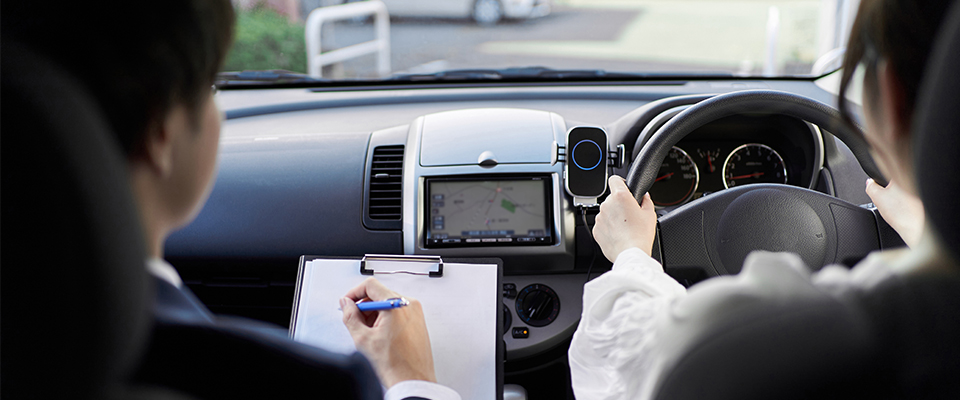
Selling a used vehicle privately on Craigslist remains one of the most effective ways to extract maximum value from your car. Dealership trade-ins routinely slash thousands off market value to protect their profit margins, making the private sale route inherently attractive. However, stepping into the role of both salesman and dealership owner brings a host of legal, financial, and personal vulnerabilities that most private sellers never consider until metal crunches against metal.
The test drive is the single most dangerous phase of any private vehicle sale. Up until the moment the title is signed over, the cash is in your hand, and the release of liability is officially filed with your state motor vehicle department, that car legally belongs to you. Every action taken behind the wheel by an unverified stranger can reverberate through your personal finances and your insurance policy. Protecting yourself requires a clear understanding of automotive liability, strict screening standards, and a firm set of non-negotiable rules before anyone ever turns the ignition.
Understanding the Legal Reality: Insurance Follows the Car
The most pervasive and financially devastating myth among private sellers is the belief that a buyer’s personal auto insurance will automatically absorb the blow if they crash your vehicle during a test drive. In nearly every US jurisdiction, auto insurance follows the vehicle, not the driver.
When you hand your keys to an interested buyer and allow them to drive, you are granting what the insurance industry defines as permissive use. Under permissive use, your personal comprehensive, collision, and liability insurance acts as the primary coverage for any incident that occurs while that individual operates your vehicle
What Permissive Use Means in Practice
If a prospective buyer blows through a red light and t-bones another vehicle during a test drive, the injured parties will not file claims against the stranger behind your wheel first. They will file claims against your insurance policy. If the stranger turns out to be uninsured, underinsured, or simply disappears into the crowd following the wreck, your policy absorbs the hit entirely.
This scenario exposes you to three immediate financial consequences:
-
Out-of-Pocket Deductibles: You remain responsible for paying your collision deductible to repair or replace your vehicle, regardless of whether the buyer promised to pay for any damage they caused.
-
Long-Term Premium Surges: An at-fault claim on your record can cause your auto insurance premiums to spike significantly for three to five years, wiping out the financial advantage you gained by selling the car privately.
-
Excess Liability Exposure: If the damages or medical expenses exceed your policy limits, you can be sued personally. In severe accidents involving serious injury, a private seller can face wage garnishment or liens on personal property because they permitted an unqualified driver to operate their vehicle.
Vetting Prospects Before Scheduling a Meeting
Your liability defense begins well before you meet face-to-face. Craigslist provides complete anonymity to buyers, which works against your safety and financial security. Diligent sellers actively filter tire-kickers, joyriders, and bad actors during initial communications.
Begin by establishing clear parameters in your listing. State explicitly that test drives require a valid, current driver’s license and proof of insurance, and that drives will occur only in daylight hours at a designated public location. This straightforward sentence alone eliminates a significant percentage of casual joyriders and scammers looking for easy marks.
When communicating with prospective buyers, pay close attention to communication patterns:
-
Insist on a brief phone conversation prior to scheduling an appointment. A brief call allows you to assess the buyer’s legitimacy, confirm their intent, and clarify terms. Scammers and car thieves almost always refuse voice communication.
-
Be wary of buyers who ask generic questions already answered in the listing, or those who immediately push for unusual meeting arrangements, late-night viewings, or out-of-town drop-offs.
-
Never disclose your home address. Scheduling meetings at your residence compromises personal security and signals to potential thieves where the vehicle is parked overnight.
Pre-Drive Document Verification
Once a prospective buyer arrives at your meeting spot, the verification process must take place outside the vehicle before anyone steps inside or touches the keys.
Inspecting the Driver’s License
Never take someone’s word that they have a valid license. Ask to physically inspect their driver’s license. Check the expiration date to ensure it is active, and confirm that the photograph matches the person standing in front of you.
Take a clear photograph of both the front and back of the license using your smartphone, and immediately text or upload that photo to a trusted family member or friend. Inform the buyer calmly that this is your standard procedure for private vehicle sales. A legitimate buyer who intends to drive your property responsibly will understand and respect your diligence. If an individual refuses to let you photograph their license, the interaction is over, and no drive takes place.
Verifying Proof of Insurance
Ask to see their current auto insurance card, or request that they pull up their digital insurance card on their mobile carrier app. Verify that the policy is currently active and that the name matches the driver’s license. While your insurance will likely act as primary under permissive use, having their active insurance details ensures that your insurance carrier can pursue a subrogation claim against the driver’s insurer to recover repair costs and deductible payments in the event of an accident.
Establishing Ground Rules and the Route
A test drive should never be an aimless, open-ended journey dictated by the buyer. You are the owner of the vehicle, and you retain full command over how, where, and when the car is operated.
Before handing over the keys, clearly lay out the exact route you will take. A proper test drive route should take no more than fifteen to twenty minutes and should incorporate:
-
A quiet, low-traffic neighborhood street where the buyer can test low-speed handling, braking feel, and basic steering response without distractions.
-
A smooth arterial road to run the car through standard gear shifts up to moderate speeds.
-
A brief section of highway or bypass, if applicable, to test merging acceleration, high-speed stability, and cruise control.
Instruct the driver explicitly that you do not permit aggressive acceleration, hard emergency braking tests on open roadways, or off-road excursions. Emphasize that all traffic laws must be obeyed strictly, and note that any moving violations or automated camera tickets incurred during the drive belong entirely to the driver.
The Ride-Along Dilemma: Solo Drives vs. Riding Shotgun
One of the most debated questions among private sellers is whether to accompany the buyer in the passenger seat or allow them to drive alone. Both options present distinct risks that must be carefully balanced.
The Risks of Letting a Buyer Drive Alone
Allowing a stranger to take your vehicle alone carries immense risk. In the worst-case scenario, the driver simply steals the vehicle. Even if they return, an unattended driver may abuse the drivetrain, push the engine to redline, test the transmission aggressively, or abandon the car miles away if mechanical trouble surfaces. Furthermore, if they cause a hit-and-run accident while driving solo, proving who was behind the wheel becomes substantially more complicated.
If you ever consider allowing an unaccompanied drive—which is strongly discouraged—you must demand full collateral. This means holding the keys to the vehicle they drove to the meeting, verifying that their vehicle is registered in their name, holding their physical driver’s license, and securing a signed temporary custody agreement. Even then, the risk remains substantial.
Safely Managing the Accompanied Ride
Riding along in the passenger seat is the industry standard for private sellers, but it requires personal safety precautions:
-
Always arrange the meeting at a neutral, highly public location. Excellent options include police department parking lots designated as Safe Exchange Zones, well-lit bank parking lots with comprehensive exterior security cameras, or busy shopping center perimeters.
-
Bring a friend or family member with you. Having two people present alters the dynamic entirely and deters fraudulent behavior. Your companion can either sit in the back seat during the drive or remain at the staging location holding the prospective buyer’s collateral and documentation.
-
Keep your mobile phone accessible in your pocket, fully charged, with location tracking turned on and shared with family.
Using a Written Test Drive Agreement
While private sellers rarely think to bring paperwork to an initial showing, a simple, one-page test drive agreement provides invaluable legal and psychological protection. When presented with a written document, casual joyriders retreat, and serious buyers demonstrate their good faith.
A practical agreement does not need complex legal jargon, but it should clearly outline:
-
The date, time, vehicle year, make, model, and vehicle identification number (VIN).
-
The prospective driver’s full legal name, current address, driver’s license number, and insurance policy details.
-
An explicit acknowledgment by the driver that they possess an active, unrestricted driver’s license.
-
An explicit statement that the driver agrees to operate the vehicle safely, adhere to all local and federal traffic laws, and assume full financial responsibility for any physical damage, traffic citations, toll violations, or personal injury caused by their negligence while operating the vehicle.
While a written agreement may not completely insulate you from primary liability claims brought by third parties injured in an accident, it establishes a solid evidentiary foundation for small claims court or subrogation lawsuits if you need to recover damages from the driver afterward.
Key Handling and Preventing Distraction Thefts
A vehicle can be stolen in broad daylight during a showing without a single weapon ever being drawn. Sophisticated car thieves rely on distraction, sleight of hand, and casual trust to drive away with private sale vehicles.
-
Never hand the keys to a buyer while you are standing outside the vehicle with the doors unlocked or the engine running.
-
Keep the key fob in your pocket until both you and the driver are seated inside the cabin with doors closed.
-
If the buyer asks to pop the hood to inspect the engine bay, do so while the vehicle is parked, turned off, and the keys are firmly in your pocket. A common ruse involves one buyer asking the seller to look at something in the engine bay while a second accomplice slips into the driver’s seat and speeds away.
-
If your vehicle uses a physical key rather than a push-to-start ignition, inspect the key immediately if the buyer hands it back to you. Scammers have been known to quickly swap authentic vehicle keys with identical cut blanks or dummy fobs, planning to return later that night to steal the car using the original key.
What to Do If an Accident Occurs
If the worst happens and the buyer crashes your vehicle during a test drive, your immediate actions will directly influence your financial and legal outcome.
First, ensure everyone’s physical safety and immediately call 911. Request both emergency medical services if anyone appears shaken or injured, and insist on police dispatch to document the scene.
Under no circumstances should you agree to settle the matter privately on the side of the road, regardless of how much cash the buyer offers or how adamantly they promise to wire money the following morning. Shock and adrenaline mask injuries, and repair costs on modern vehicles routinely exceed visual estimates due to internal structural components, sensors, and calibration requirements.
While waiting for law enforcement to arrive, photograph everything thoroughly:
-
The exact positions of all vehicles involved relative to lane markings and road signs.
-
Close-up and wide-angle views of all vehicle damage.
-
Street signs, weather conditions, skid marks, and any road hazards.
-
The other parties involved, their driver’s licenses, and their insurance cards.
Ensure that the responding officer speaks directly with the driver who was operating your vehicle, and confirm that the officer’s official collision report explicitly lists the prospective buyer as the driver of your vehicle and you as the passenger and owner. Obtain the police report number before leaving the scene.
Notify your insurance provider promptly, provide them with the accurate facts, and furnish all documentation you collected, including the driver’s license photo, their personal insurance information, and any signed agreement.
Maintaining Authority Throughout the Transaction
Selling a vehicle on Craigslist does not obligate you to cater to unreasonable requests or compromise your financial security. You are the owner of a valuable, heavy piece of machinery. If a prospective buyer exhibits erratic driving, becomes combative, argues against providing identification, or refuses to follow your prescribed route, terminate the drive immediately. Instruct them calmly to pull over into the nearest safe parking lot, turn off the engine, hand over the keys, and end the appointment.
Preparation, strict documentation, and cautious skepticism are your greatest assets. By treating the private sale process with the procedural discipline of a professional transaction, you eliminate unnecessary liabilities, protect your insurance record, and ensure that your vehicle sale concludes with cleared funds rather than an insurance dispute.

Comments are closed.