

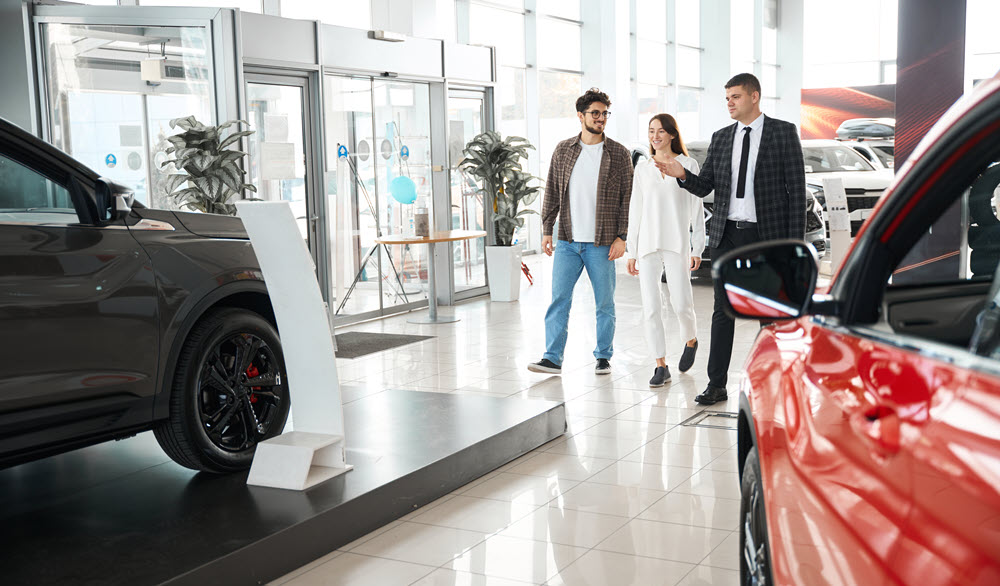
The global automotive industry is undergoing one of the most profound transformations in its history. Driven by technological breakthroughs, environmental priorities, and shifting consumer expectations, mobility is no longer just about owning a vehicle—it is about access, intelligence, and sustainability. Over the next decade, how people move, what they drive, and why they choose certain mobility options will be radically different from today.
Electrification Becomes the Industry Standard
Electrification has moved beyond experimentation and into large-scale adoption. Governments, manufacturers, and consumers are increasingly aligned around the transition away from internal combustion engines.
Key developments shaping electrification
- Solid-state batteries offering longer range, faster charging, and improved safety
- Expansion of ultra-fast charging networks across highways and urban centers
- Declining battery costs making electric vehicles more accessible
- Lifecycle-focused design emphasizing battery recycling and reuse
Electrification is no longer just about reducing emissions—it is reshaping vehicle architecture, supply chains, and energy ecosystems.
Software-Defined Vehicles and Connected Mobility
Modern vehicles are evolving into software-driven platforms on wheels. Software now defines performance, safety, and user experience as much as hardware does.
How software is redefining vehicles
- Over-the-air updates that improve functionality long after purchase
- Advanced infotainment systems integrated with personal digital ecosystems
- Real-time diagnostics and predictive maintenance
- Data-driven personalization of driving modes and in-cabin features
As connectivity deepens, vehicles become part of a broader digital mobility network rather than isolated machines.
Autonomous Driving and Advanced Driver Assistance
Autonomous technology is progressing in measured but meaningful steps. While full autonomy remains a long-term goal, partial automation is already changing everyday driving.
Automation trends gaining traction
- Enhanced driver-assistance systems reducing accidents and fatigue
- Sensor fusion combining cameras, radar, and lidar
- AI-powered perception and decision-making models
- Urban pilot programs testing automated shuttles and logistics vehicles
Autonomy’s biggest near-term impact lies in safety improvements and traffic efficiency, not total driver replacement.
Mobility as a Service (MaaS) Replaces Ownership Mindsets
For many consumers, especially in dense urban areas, owning a car is no longer the default choice. Mobility is becoming an on-demand service.
Factors accelerating MaaS adoption
- Growth of subscription-based vehicle access
- Integration of public transit, ride-hailing, and micromobility into single platforms
- Lower total cost compared to private ownership
- Flexibility to switch vehicle types based on need
This shift is redefining success for automakers, who increasingly measure value by usage and experience, not just sales volume.
Sustainability and Circular Automotive Manufacturing
Sustainability now spans the entire automotive lifecycle—from raw materials to end-of-life processing.
Sustainable practices reshaping the industry
- Use of recycled and bio-based materials in interiors and body panels
- Energy-efficient, low-emission manufacturing plants
- Closed-loop recycling systems for batteries and metals
- Transparent carbon accounting across supply chains
Sustainability is becoming a competitive differentiator, influencing brand trust and consumer loyalty.
Artificial Intelligence and Data-Driven Mobility
Artificial intelligence is emerging as the invisible engine behind modern mobility systems.
AI-driven transformations include
- Smarter traffic flow and congestion management
- Personalized route planning based on real-time conditions
- Improved safety through behavioral prediction
- Fleet optimization for shared and commercial vehicles
As vehicles generate more data, AI converts information into actionable intelligence, improving both individual journeys and entire transport networks.
Consumer-Centric Design and Experience Innovation
Today’s consumers expect vehicles to reflect their digital lifestyles. Design priorities are shifting from mechanical performance alone to holistic experience design.
Experience-focused innovations
- Minimalist, screen-centric interiors
- Voice and gesture-based controls
- Seamless smartphone and cloud integration
- Wellness features such as air quality monitoring and adaptive lighting
The car is increasingly viewed as a personal space for productivity, relaxation, and entertainment, not just transportation.
Global Policy, Regulation, and Infrastructure Evolution
Regulatory frameworks are playing a decisive role in shaping the pace and direction of automotive change.
Policy-driven industry shifts
- Emissions regulations accelerating electrification
- Safety standards pushing advanced driver-assistance adoption
- Investments in charging and smart-road infrastructure
- Urban policies favoring low-emission and shared mobility solutions
Infrastructure and regulation together determine how quickly innovation reaches everyday consumers.
The Road Ahead for Automotive and Mobility
The future automotive landscape will be defined by integration rather than isolation—vehicles integrated with cities, energy grids, and digital platforms. Success will belong to those who balance innovation with trust, sustainability with performance, and technology with genuine human needs.
Frequently Asked Questions (FAQ)
1. How will electric vehicles impact the global automotive supply chain?
Electric vehicles are simplifying some components while increasing demand for batteries, semiconductors, and rare materials, leading to major supply chain restructuring.
2. Will autonomous vehicles eliminate the need for human drivers?
In the near future, autonomy will assist rather than replace drivers, focusing primarily on safety and efficiency enhancements.
3. Is car ownership expected to decline worldwide?
Ownership is likely to decrease in urban areas while remaining strong in rural regions, creating a mixed global mobility model.
4. How does software affect vehicle resale value?
Vehicles with upgradable software and long-term support are expected to retain value better than static, hardware-only models.
5. What role does sustainability play in consumer purchasing decisions?
Sustainability is increasingly influencing buyer choices, especially among younger consumers who prioritize environmental responsibility.
6. Are traditional automakers at risk from technology-driven competitors?
Yes, competition is intensifying, but established players with strong manufacturing expertise can remain competitive by embracing digital transformation.
7. How will mobility trends differ between developed and emerging markets?
Developed markets will adopt advanced technologies faster, while emerging markets will focus on affordability, shared mobility, and scalable infrastructure.

Comments are closed.