

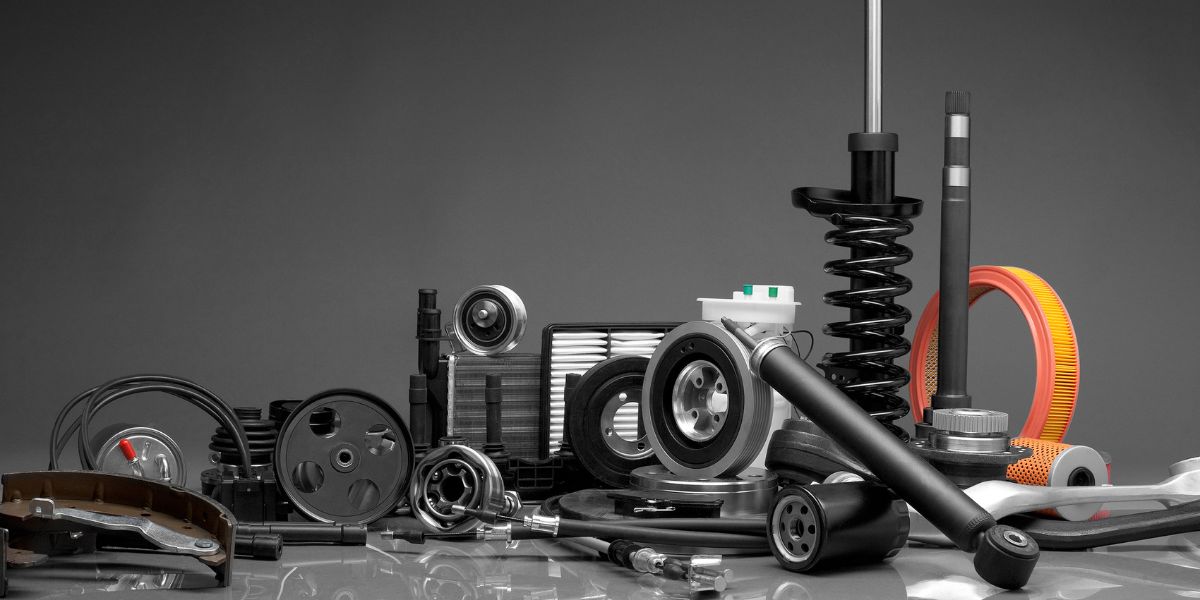
Modern vehicles are engineered systems where every component plays a precise role. When even one part underperforms, the impact ripples through performance, safety, and longevity. High-quality auto parts are not just upgrades; they are investments that protect your vehicle’s health, driving experience, and long-term value.
What Defines High-Quality Auto Parts?
High-quality auto parts are manufactured to exact specifications using durable materials and rigorous testing standards. They are designed to integrate seamlessly with your vehicle’s systems, delivering consistent performance under real-world conditions.
Key characteristics include:
- Precision engineering for exact fitment
- Premium materials that resist heat, wear, and corrosion
- Stringent quality control during manufacturing
- Compatibility with original vehicle specifications
These attributes reduce the likelihood of premature failure and ensure dependable operation over time.
Enhanced Vehicle Performance Through Better Components
Vehicle performance depends on how efficiently its systems work together. Inferior parts can restrict airflow, disrupt combustion, or weaken power transfer.
Improved Engine Efficiency
High-quality components such as filters, spark plugs, and fuel system parts optimize combustion. This leads to:
- Smoother acceleration
- Consistent power delivery
- Reduced engine strain
Better Handling and Control
Suspension and steering components made from superior materials maintain their integrity under stress, improving:
- Cornering stability
- Steering responsiveness
- Overall driving confidence
Reliable Braking Performance
Premium brake pads and rotors provide predictable stopping power, even under high temperatures, enhancing safety without sacrificing control.
Increased Reliability and Reduced Breakdowns
Reliability is where quality parts truly stand out. Substandard components often fail without warning, leading to costly repairs and inconvenient breakdowns.
High-quality auto parts offer:
- Longer service life, reducing replacement frequency
- Consistent performance across varying driving conditions
- Lower risk of collateral damage to surrounding components
By minimizing unexpected failures, drivers gain peace of mind and greater trust in their vehicle.
Long-Term Cost Savings and Value Retention
While premium parts may cost more initially, they often save money over time. Frequent replacements, labor costs, and secondary damage caused by low-grade parts quickly add up.
Benefits include:
- Fewer repairs and replacements
- Improved fuel efficiency from optimized systems
- Better resale value due to documented quality maintenance
A well-maintained vehicle with reliable components signals responsible ownership to future buyers.
Safety Benefits You Shouldn’t Overlook
Safety systems rely on precision. From braking to steering, the margin for error is small. High-quality parts ensure these systems respond as intended, especially during emergencies.
Critical safety advantages include:
- Consistent braking under heavy loads
- Stable handling at highway speeds
- Reduced likelihood of sudden component failure
Environmental and Efficiency Advantages
Quality components often improve efficiency, which reduces fuel consumption and emissions. Efficient engines burn cleaner, and durable parts mean fewer replacements—resulting in less waste over a vehicle’s lifespan.
This combination supports both environmental responsibility and everyday savings at the pump.
Choosing the Right High-Quality Auto Parts
Selecting the right parts involves more than brand recognition. Look for:
- Manufacturer certifications and testing standards
- Clear warranty coverage
- Proven compatibility with your vehicle model
Consulting experienced mechanics and using trusted suppliers ensures the parts you choose meet performance and safety expectations.
FAQs
1. Are high-quality auto parts always better than standard replacements?
Not always in every scenario, but high-quality parts typically offer better durability, performance consistency, and safety compared to low-grade alternatives.
2. Can premium auto parts improve fuel economy?
Yes, parts that optimize airflow, combustion, and mechanical efficiency can contribute to noticeable fuel savings over time.
3. How do quality parts affect vehicle resale value?
Vehicles maintained with reputable, high-quality components often retain higher resale value due to perceived reliability and lower future maintenance risk.
4. Do high-quality parts require special maintenance?
Generally no. They are designed to meet or exceed original specifications and follow standard maintenance schedules.
5. Is it necessary to use high-quality parts for older vehicles?
Yes. Older vehicles can benefit significantly, as reliable parts reduce stress on aging systems and extend usable life.
6. How can I verify if a part is truly high quality?
Check for certifications, warranties, material specifications, and reviews from trusted automotive professionals.
7. Are high-quality auto parts safer for extreme driving conditions?
They are better suited for extreme heat, heavy loads, and demanding driving environments due to superior materials and engineering.

Comments are closed.