

Introduction
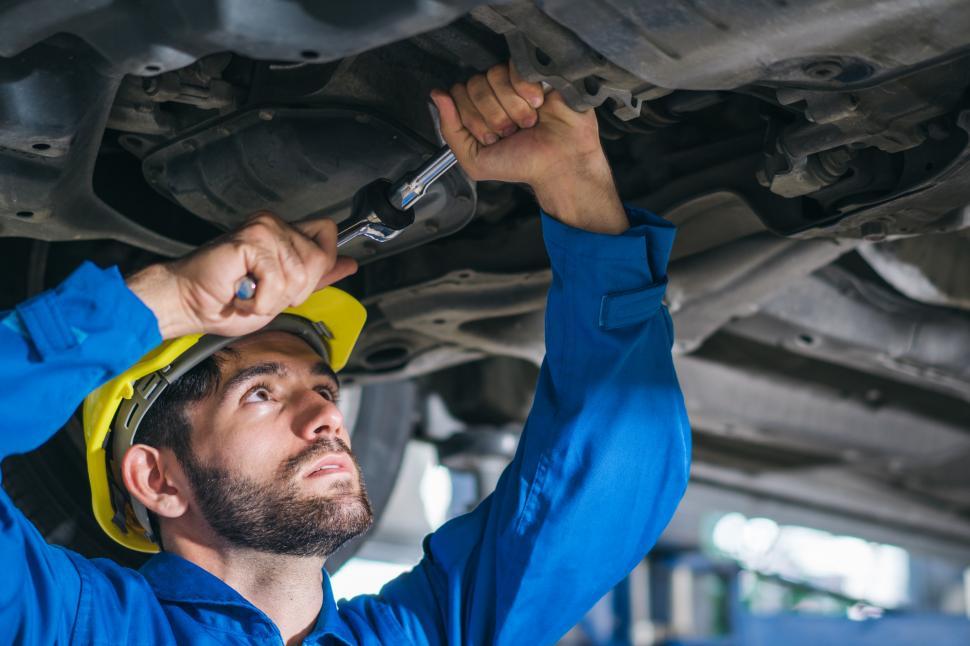
Car repairs are seldom celebrated, yet they are the quiet interventions that keep our journeys uninterrupted and our trust in motion. Often relegated to necessity or emergency, the modern art of car repairs stands as a testament to technical prowess, discernment, and stewardship. In an age where vehicles are more complex and alluring than ever before, the philosophy of repair has also matured—becoming a process infused with precision, transparency, and an unspoken partnership between car and keeper. This exploration reveals why, and how, car repairs should be reimagined as an elegant continuum of care.
The Philosophy of Repair: From Stopgap to Sustenance
No longer just a quick fix, quality car repairs are a slow, deliberate dance of longevity and confidence.
The Guiding Principles
-
Preventive Mindset: Proactive servicing and routine assessments forestall disruption and lengthen the lifespan of every component.
-
Clarity and Trust: Open dialogue, clear estimates, and educational conversations replace guesswork and anxiety.
-
Craftsmanship over Convenience: Genuine, reliable repairs are prioritized—never rushed, always deliberate.
The Repair Journey: Turning Symptoms into Solutions
A great car repair is fundamentally a story—one that begins with symptoms and ends in restored assurance.
Step 1: Observation and Listening
-
Owners and technicians share clues: noises, sensations, dashboard warnings.
-
A careful walk-around checks for leaks, tire wear, or subtle changes in alignment or trim.
Step 2: Diagnostic Precision
-
Digital scans and error codes reveal hidden patterns or evolving trouble spots.
-
Direct inspections probe belts, fluids, electronics, and mechanical parts—blending technology with human intuition.
Step 3: Solution Design
-
Technicians articulate prioritized recommendations. Options may include OEM, reputable aftermarket, or remanufactured parts, chosen for fit and value, not just price.
-
Transparent dialogue ensures the client is part of the decision—not merely an observer.
Step 4: Meticulous Execution
-
Repairs are conducted to factory-recommended standards, using the right tools and methods to avoid collateral issues.
-
Each intervention is tested post-completion—often with additional digital diagnostics and a test drive.
Step 5: Follow-Up and Prevention
-
Owners are briefed on care strategies, from early warning signs to the timing of future maintenance.
-
Quality shops offer post-repair check-ins, reinforcing a sense of partnership.
Core Domains of Car Repairs: The Moments That Matter
Certain domains of car repair carry the greatest significance for safety, enjoyment, and value.
Engine and Powertrain
-
Addressing oil leaks, belt and hose issues, and performance quirks (like misfires or stalling) preserves reliability.
-
Timely sensor replacements and spark plug checks prevent cascading engine trouble.
Braking Systems
-
Pads, discs, fluid, and system calibrations keep every stop assured and secure.
-
Advanced brake systems require not only parts but sensor resets and system testing.
Suspension and Steering
-
Shock absorbers, bushings, and alignments steer both comfort and control.
-
Noises, pulls, or rough rides should be addressed swiftly before minor issues escalate.
Electrical and Infotainment
-
Batteries, alternators, and ground connections form the backbone of electronic reliability.
-
Modern problems may involve software updates or sensor recalibrations—digital skills are as crucial as wrenches.
Climate Comfort
-
Air conditioning checks, heater core work, and window motor repairs restore practical, year-round enjoyment.
The New Tools of the Trade: How Technology Has Changed Repairs
Car repairs today are as much about bytes as they are about bolts.
-
Onboard Diagnostics: Real-time snapshots of engine health, transmission adaptation, and electronic harmony.
-
Remote Monitoring: Some models send alerts or even early service notifications before symptoms manifest.
-
Software Solutions: A growing cohort of repairs—be it for emissions, navigation glitches, or telematics—are resolved with code as much as component swaps.
-
Hybrid/EV Expertise: High-voltage systems, regenerative braking, and intricate cooling demand certified, ongoing education.
Table: Comparison of Parts Selection
| Criteria | Genuine (OEM) | Reputable Aftermarket | Remanufactured |
|---|---|---|---|
| Quality Assurance | Highest, model-specific | Varies by brand | Thoroughly tested |
| Price | Highest | Medium to Low | Best value, eco-friendly |
| Warranty Impact | Maintains OEM coverage | Sometimes variable | Supported by supplier |
| Ideal Use Case | Safety-critical, new | Older models, upgrades | Major systems |
Integrity and Excellence: Choosing the Right Repair Partner
A great repair is forged in the culture and capacity of the workshop itself.
Key Attributes
-
Certification and Learning: Ongoing training in both mechanical and software domains distinguishes the exceptional from the average.
-
Transparency: Clear, written estimates, open explanations, and no surprise charges offer peace of mind.
-
Cleanliness and Organization: Pristine tools, well-lit bays, and orderly processes reflect pride and professionalism.
-
Solid Warranties: The best shops back up their work, ensuring your investment is protected.
The Owner’s Role: Stewardship in Every Mile
A wise driver is an active participant—not just a consumer—in the narrative of their vehicle’s well-being.
-
Observe Closely: Record the date and type of every oil change, brake service, and belt replacement.
-
React Early: Respond promptly to new sounds, sensations, or indicator lights.
-
Foster Communication: Build a trusted relationship with your chosen repair partner.
-
Champion Sustainability: Opt for eco-conscious shops and responsible parts recycling whenever possible.
Repair as Renewal: The Ethical Dimension
Car repairs are more than a business—they are a form of respect for both the machine and the environment.
-
Remanufactured and recycled parts reduce landfill, extend product life, and shrink a driver’s ecological footprint.
-
A culture of dignified repair resists throwaway trends, celebrating longevity in all its forms.
Conclusion
In a world obsessed with the next big thing, true satisfaction is found in the quiet competence of renewal. Car repairs—when guided by expertise, collaboration, and a reverence for the craft—become more than quick fixes; they are the essential, restorative acts that bind person to vehicle, past to future, and need to peace of mind. Step beyond the garage door, and consider: every careful repair is the opening chapter to many more miles of discovery, reliability, and refined adventure.

Comments are closed.