

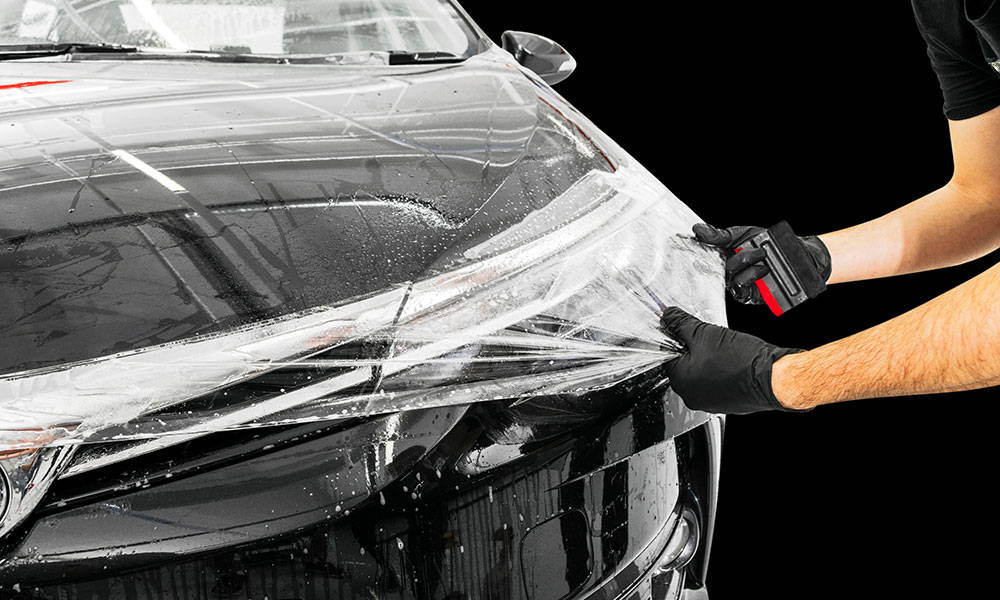
Driving a new vehicle off the dealership lot is an unbeatable feeling, but that flawless factory finish is under constant threat the moment tires hit pavement. Highway gravel, winter road salt, relentless ultraviolet radiation, bird droppings, and improper washing techniques all work together to degrade clear coat. For vehicle owners determined to preserve showroom aesthetics and resale value, modern automotive surface protection offers two primary technologies: Paint Protection Film (PPF) and Ceramic Coating.
While both products aim to keep an exterior looking pristine, they function on fundamentally different mechanical and chemical principles. They solve different problems, carry distinct price tags, and demand different approaches to long-term maintenance. Conflating the two or assuming one automatically renders the other obsolete often leads to mismatched expectations and wasted investment. Understanding precisely how each works, where each excels, and how they complement one another is essential before committing vehicle paint to either treatment.
What Is Paint Protection Film?
Paint Protection Film, commonly referred to as clear bra, is a thick, transparent thermoplastic polyurethane (TPU) membrane applied directly over painted panels. Originally engineered during the Vietnam War to protect military helicopter rotor blades from flying shrapnel and abrasive dust, the material transitioned into commercial automotive applications through the high-performance racing circuit. Today, high-end automotive films represent decades of polymer refinement.
A modern film assembly consists of multiple micro-layers engineered for distinct tasks: an acrylic adhesive backing that bonds securely to automotive clear coat without pulling paint upon removal, a durable polyurethane core that absorbs kinetic energy, and an elastomeric clear topcoat engineered with self-healing properties.
The standout attribute of high-grade PPF is its self-healing capability. When wash mitts, trail brush, or loose dust cause superficial swirl marks or fine abrasions across the surface, the elastomeric polymers in the topcoat naturally flow back into place when exposed to ambient heat, direct sunlight, or warm water. The scratch literally disappears without buffing or abrasive compounds.
Where PPF Excels
The core strength of film is pure impact resistance. Because film measures between 6 and 10 mils (roughly 150 to 250 microns) in thickness, it serves as a robust physical shield. It is the only paint protection method capable of absorbing the blunt force of high-speed pea gravel, highway debris, shopping cart bumps, and aggressive rock chips that would otherwise strike down to bare metal or plastic substrate.
Automotive film also offers aesthetic versatility. While traditional films are completely optically clear and preserve the gloss of original factory paint, manufacturers now offer satin, matte, and colored variations. These allow an owner to change the finish of a car from high-gloss to frozen satin while gaining heavy-duty impact defense.
What Is Ceramic Coating?
Ceramic coating is a semi-permanent liquid polymer typically formulated with silicon dioxide (SiO2), titanium dioxide (TiO2), or polysilazanes. Rather than acting as a thick physical wrap sitting over paint, a liquid ceramic coating chemically bonds with the vehicle’s factory clear coat on a microscopic level.
Automotive clear coat appears smooth to the naked eye, but under magnification, it is full of microscopic peaks and valleys. Dirt, environmental fallout, and moisture embed themselves within these pores, accelerating oxidation and dulling reflection. When a technician applies a liquid ceramic coating, the formula fills those microscopic pores, cross-links with the clear coat molecules, and cures into an ultra-thin, glass-like quartz matrix measuring between 1 and 3 microns thick.
Where Ceramic Coating Excels
The defining characteristics of ceramic coatings are extreme hydrophobicity and chemical resistance. Water landing on a properly coated panel beads up aggressively into tight droplets with contact angles exceeding 100 degrees, sheeting off the body instantly while rolling away loose surface dirt. This self-cleaning effect makes routine maintenance washes dramatically faster and safer, drastically reducing the friction required during hand washing.
Beyond repelling water and road film, ceramic coatings provide reliable chemical defense against acidic contaminants. Bird droppings, bug splatter, tree sap, and acid rain contain concentrated compounds that can chemically etch untreated clear coat within hours under hot summer sun. A cured ceramic layer creates an inert barrier that resists etching across a broad pH spectrum, while built-in UV blockers prevent the underlying resin from yellowing, chalking, or oxidizing.
Furthermore, ceramic coatings deliver exceptional visual depth. The glass-like crystalline layer enhances reflectivity, making metallics pop and giving gloss paint a deep, dripping-wet appearance that traditional carnauba waxes and synthetic sealants cannot replicate.
Direct Comparison: How They Perform Against Real-World Hazards
To choose the right protection, consider how each barrier reacts against specific everyday driving hazards.
Rock Chips and Highway Debris
Paint Protection Film is the undisputed winner against physical projectiles. Its thick, pliable urethane matrix cushions and deflects high-velocity gravel kicked up by highway traffic. A ceramic coating, while exceptionally hard on the pencil hardness scale (often rated up to 9H), is microscopic in thickness. It offers zero impact protection against flying gravel. A rock thrown at 65 miles per hour will penetrate a ceramic coating instantly, chipping both the clear coat and base coat beneath it.
Light Scratches and Wash Swirls
PPF handles light surface abrasions through physical thickness and heat-activated self-healing. Light scrapes from fingernails around door handles or brush along narrow driveways disappear under heat. Ceramic coating offers moderate resistance against fine micro-marring caused by routine hand washing, but it cannot self-heal. If an abrasive wash brush or contaminated microfiber towel scratches a coated surface, that scratch remains until the coating and surrounding clear coat are machine polished.
Environmental Etching and Chemical Staining
Ceramic coatings hold the upper hand in daily chemical resistance. While premium PPF features stain-resistant topcoats, untreated polyurethane remains slightly porous and can stain if bird droppings, road tar, or dead insects are allowed to bake into the surface for extended periods. Ceramic coating creates an intensely slick, non-porous mineral shell that halts chemical penetration and wipes clean effortlessly.
Surface Gloss and Washing Ease
Both options elevate vehicle aesthetics, but they do so differently. PPF preserves existing paint quality and can eliminate existing light swirls via adhesive wet-out, but its urethane texture can occasionally exhibit minor orange peel texture when viewed under harsh inspection lights. Ceramic coating delivers unmatched clarity, mirror-like gloss, and ultra-slick tactile feel. In terms of washing ease, nothing compares to the hydrophobic behavior of a top-tier ceramic formula.
Durability, Maintenance, and Longevity
Durability is heavily dictated by environmental exposure, mileage, and maintenance habits.
A professionally installed, top-tier Paint Protection Film typically lasts between 7 and 10 years. High-end films feature comprehensive manufacturer warranties covering yellowing, cracking, bubbling, and delamination. Maintenance requires routine hand washing using pH-neutral soaps and occasional applications of film-safe sealants. Avoid pointing high-pressure spray wands directly at film seams, as pressurized water can lift the edges.
A professional-grade ceramic coating generally lasts between 2 and 5 years, depending on the formulation and chemical composition. Consumer-grade DIY ceramic sprays or light coatings provide 6 to 12 months of protection. To maintain a coating’s hydrophobic properties, owners must perform periodic decontamination washes to strip embedded road grime from the microscopic pores of the coating, followed by an application of a silica-based booster spray.
Cost Considerations and Installation Complexity
Price differences between the two treatments reflect the materials, labor intensity, and technical skill required for installation.
Paint Protection Film represents a significant capital investment. Installing film requires rigorous paint decontamination, panel disassembly, precision digital template cutting, and meticulous hand-stretching using slip and tack solutions. Installing a full front-end package (bumper, hood, fenders, mirrors, and headlights) typically costs between $1,500 and $3,000, while wrapping an entire vehicle runs from $5,000 to $8,000 or more depending on body contours.
Ceramic coating application demands extensive preparation work rather than material assembly. Because a coating forms a semi-permanent crystalline bond, any existing scratches, swirl marks, or water spots left on the paint will be locked beneath the glass layer. Installers must perform multi-stage paint correction—machine compounding and polishing—to perfect the clear coat before wiping the vehicle with solvent solutions and hand-leveling the ceramic liquid. Professional ceramic coating services generally range from $800 to $2,500 based on the condition of the paint and the number of layers applied.
The Ultimate Solution: Combining Film and Ceramic
Because PPF and ceramic coatings excel against completely different categories of damage, automotive enthusiasts and professional detailers frequently combine them to create the ultimate defense system.
In a hybrid configuration, Paint Protection Film is applied first to high-impact strike zones—the front bumper, full hood, front fenders, rocker panels, and side mirrors. Once the film cures, a ceramic coating formulated specifically for flexible urethane is applied over the entire vehicle, covering both the raw painted rear panels and the top of the newly installed film.
This combination provides absolute protection. The high-impact zones gain rock-chip deflection and self-healing resilience from the film underneath, while the entire vehicle benefits from the ceramic coating’s slick hydrophobicity, UV resistance, enhanced gloss, and effortless washability.
Matching the Protection to Your Needs
Choosing between Paint Protection Film and ceramic coating comes down to how a vehicle is driven, where it is stored, and what risks cause the greatest concern.
Choose Paint Protection Film if the vehicle sees regular highway miles, undergoes spirited canyon driving, encounters heavy truck traffic, or features rare, expensive factory paint that cannot be easily matched or repainted. Film is the definitive choice for preventing tangible, mechanical damage from loose gravel and road debris.
Choose Ceramic Coating if the car is a daily commuter driven primarily at low city speeds, spends time parked outdoors under trees or near industrial areas, or if the primary priority is keeping the paint looking freshly detailed with minimal washing effort.
Balancing physical defense against chemical resistance ensures vehicle paint remains preserved, protected, and visually striking for years to come.

Comments are closed.