

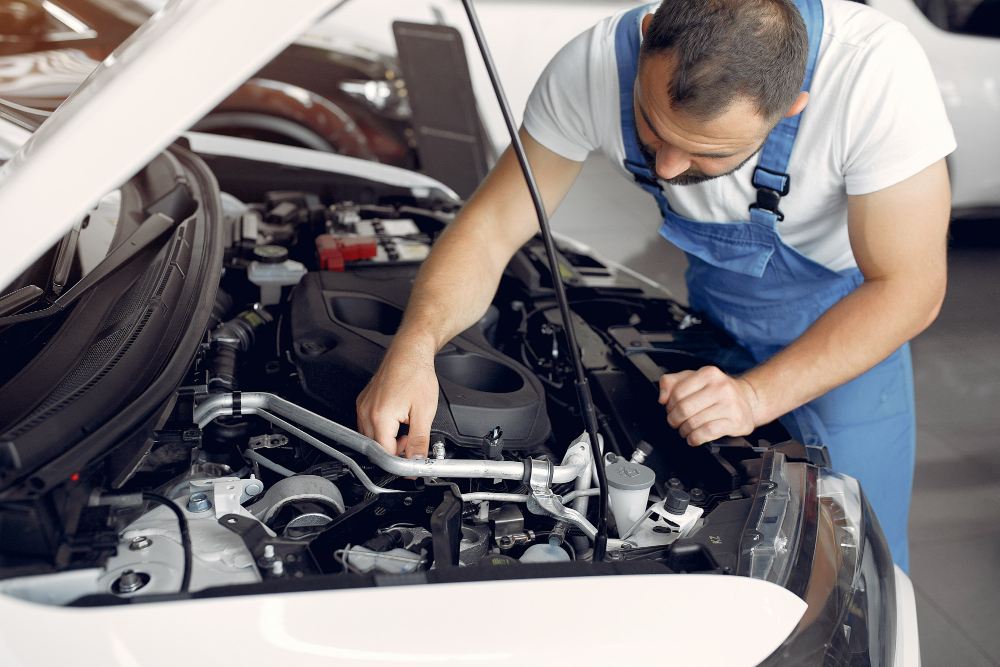
Owning a car brings freedom, but it also comes with responsibility. Understanding basic repair and maintenance can save time, money, and keep you safe on the road. Whether you’re a new driver or simply haven’t spent much time under the hood, this guide outlines practical, essential car repair tips every driver should know.
Why Basic Car Repair Knowledge Matters
Modern vehicles are reliable, but small problems can escalate quickly if ignored. Knowing how to spot potential issues early allows you to:
- Prevent breakdowns
- Extend the life of your vehicle
- Save on costly repairs
- Maintain safety for you and passengers
Key Areas Every Driver Should Master
1. Regular Oil Checks and Changes
Your engine’s oil lubricates moving parts and keeps temperatures down.
What to do:
- Check oil level monthly using the dipstick.
- Look for oil that’s dark and gritty — that’s a sign it needs changing.
- Follow manufacturer intervals (commonly every 5,000–10,000 km).
Tip: Using the correct oil grade improves performance and longevity.
2. Tire Inspection and Maintenance
Tires are the only connection between your car and the road.
Basic steps:
- Check pressure monthly with a gauge.
- Look for uneven wear or cracks.
- Rotate your tires every 8,000–12,000 km to ensure even wear.
Why it matters: Properly inflated, well-maintained tires improve fuel economy and handling.
3. Battery Care and Simple Electrical Checks
Car batteries don’t last forever, but you can extend life with simple checks.
What to inspect:
- Clean terminals if you see white corrosion
- Test battery voltage periodically, especially before hot summers or cold winters
- Replace battery every 3–5 years, depending on use
Quick safety tip: Always disconnect the negative (-) terminal first when doing electrical work.
4. Brake System Awareness
Brakes wear down with use, and early detection of issues is critical.
Signs you need attention:
- Squeaking or grinding sounds
- Soft or spongy brake pedal
- Pulling to one side when braking
If any of these occur, get a professional inspection promptly.
5. Fluid Levels Beyond Oil
Your car relies on multiple fluids. Check these regularly:
- Coolant/Antifreeze – Prevents engine overheating
- Brake Fluid – Critical for stopping power
- Transmission Fluid – Keeps gears shifting smoothly
- Power Steering Fluid – Ensures easy steering control
Tip: Low fluid levels often signal a leak — don’t ignore it.
6. Air Filter and Belts Inspection
A clean air filter keeps the engine breathing properly.
- Replace air filter every 15,000–30,000 km
- Inspect belts for cracks or fraying
- Replace worn belts to prevent sudden failures
7. Lights and Wipers — Small but Essential
Good visibility and signaling protect everyone on the road.
- Test headlights, brake lights, and turn signals monthly
- Replace wiper blades if they streak or chatter
Emergency Preparedness: What Every Driver Should Have
Keep these in your car at all times:
- Spare tire + jack
- Jumper cables
- Tire inflator or sealant
- Basic tool kit
- Flashlight
- First-aid kit
These items make minor roadside issues manageable and boost safety.
Smart Habits That Prevent Major Repairs
Maintaining your car isn’t just about fixing issues — it’s about stopping problems before they start:
- Follow the service schedule in your owner’s manual
- Address strange sounds or dashboard warnings immediately
- Avoid hard braking and rapid acceleration
- Clean your car regularly — dirt accelerates wear
FAQ – Common Questions About Car Repairs
1. How often should I check my car’s oil?
Check at least once a month and before long trips.
2. Can I drive with low tire pressure?
It’s unsafe — low pressure reduces control and increases wear.
3. When should I replace brake pads?
Typically every 30,000–70,000 km, depending on driving conditions.
4. Is it safe to jump-start my car battery?
Yes, if done carefully with correct cable connections and safety measures.
5. How do I know if my car is overheating?
Watch for rising temperature gauge or steam from under the hood.
6. Why does my check engine light come on?
It could be many things — from loose gas cap to sensor issues; diagnostic scanning reveals specifics.
7. Can I change a tire myself?
Yes — with a spare, lug wrench, and jack. Always practice in a safe area first.

Comments are closed.