

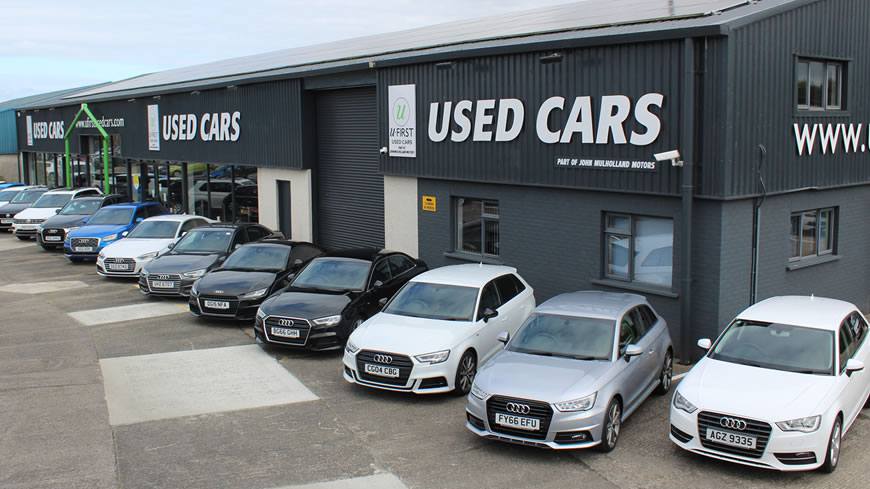
Buying a dependable used car when money is tight can feel overwhelming, but it’s far from impossible. With the right mindset, solid research, and a few proven strategies, you can secure a vehicle that fits both your budget and your daily needs—without sacrificing reliability. This guide walks you through practical, real-world steps that experienced buyers use to stretch every dollar.
Start With a Clear and Realistic Budget
Before browsing listings or visiting dealerships, define what you can comfortably afford. A smart budget goes beyond the sticker price and includes ongoing ownership costs.
Key expenses to plan for:
- Insurance premiums
- Fuel and routine maintenance
- Registration and taxes
- Occasional repairs
Set a firm maximum price and aim to spend slightly less than that ceiling. This buffer helps absorb unexpected costs without financial stress.
Focus on Reliability, Not Appearance
When funds are limited, reliability beats style every time. A car that looks impressive but breaks down often will drain your wallet quickly.
Prioritize:
- Proven engine and transmission records
- Simple mechanical designs
- Models known for longevity
Avoid being swayed by flashy features. Basics like air conditioning and power windows matter less than a vehicle that starts every morning.
Research Models With Strong Track Records
Some used cars consistently outperform others in terms of durability and low ownership costs. Spend time researching models that have built reputations for dependability.
What to look for during research:
- Long-term owner reviews
- Common mechanical issues by model year
- Availability and cost of replacement parts
This homework can save you thousands over the life of the vehicle.
Expand Your Search Beyond Dealerships
Dealerships are convenient, but they’re not always the cheapest option. Broadening your search can uncover better deals.
Consider these alternatives:
- Private sellers with maintenance records
- Local classifieds and community boards
- Certified pre-owned programs for added peace of mind
Private sellers often price vehicles lower because there’s no dealership overhead.
Inspect Thoroughly and Test Drive Carefully
Never buy a used car without seeing it in person. A careful inspection can reveal red flags that photos won’t show.
During inspection and test drive, check:
- Engine noises and warning lights
- Brake responsiveness
- Steering alignment and suspension feel
- Signs of leaks or rust
If possible, pay a trusted mechanic for a pre-purchase inspection. This small upfront cost can prevent major repair bills later.
Be Patient and Willing to Walk Away
Rushed decisions often lead to regret. Good deals come to buyers who are patient and disciplined.
Remember:
- There will always be another car
- Pressure tactics are a warning sign
- Walking away strengthens your negotiating position
Patience is one of the most powerful tools you have when shopping on a tight budget.
Negotiate Based on Facts, Not Emotion
Negotiation doesn’t require aggressive tactics—just preparation. Use facts to support your offer.
Strong negotiation points include:
- Needed repairs or worn components
- Market value comparisons
- Incomplete service history
Stay calm, respectful, and ready to say no. Sellers are often more flexible than they initially appear.
Plan for Ownership After the Purchase
The purchase price is only the beginning. Smart buyers plan for life after the sale.
After buying, prioritize:
- An oil change and fluid checks
- Replacing worn tires or brakes
- Building a small repair emergency fund
These steps help your used car remain reliable for years to come.
FAQ: Buying Reliable Used Cars on Tight Budgets
1. What mileage is too high for a used car on a budget?
Mileage matters less than maintenance. A well-maintained car with higher mileage can be more reliable than a neglected low-mileage one.
2. Is buying from a private seller riskier than a dealership?
Not necessarily. Private sellers can offer better prices, especially when they provide full service records and allow inspections.
3. Should I avoid older cars altogether?
No. Older cars can be excellent budget options if they have a solid reliability history and lower repair complexity.
4. How much should I reserve for unexpected repairs?
A general rule is to keep at least 10–15% of the car’s purchase price set aside for early repairs or maintenance.
5. Are certified pre-owned cars worth the extra cost?
They can be, especially if the warranty coverage offsets potential repair expenses and fits within your budget.
6. Can financing a used car hurt my budget plan?
It can if interest rates are high. Always compare total loan costs and avoid stretching payments beyond your comfort zone.
7. What’s the biggest mistake budget buyers make?
Letting emotions override logic—falling in love with a car before verifying its condition and true ownership costs.

Comments are closed.