

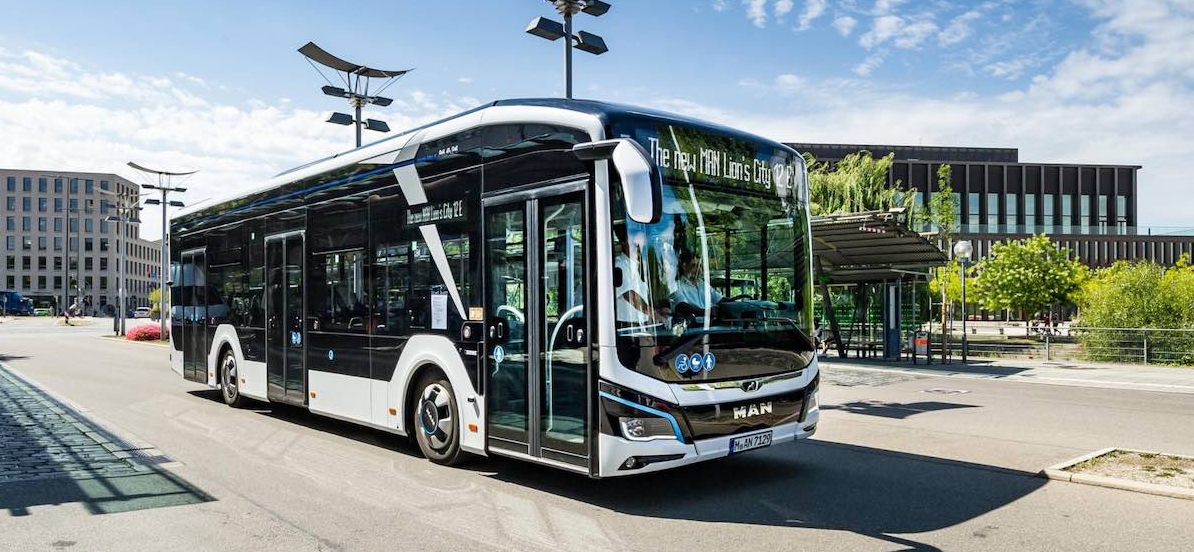
Urban transportation is undergoing a profound transformation as electric vehicles (EVs) move from niche adoption to a central role in city mobility. Rising urban populations, environmental pressures, and rapid technological progress are collectively reshaping how people and goods move within cities. Over the next decade, EVs will not only replace conventional vehicles but also redefine urban transportation systems at a structural level.
The Growing Importance of Electric Vehicles in Cities
Cities are responsible for a significant share of global emissions and traffic congestion. Electric vehicles offer a practical solution by reducing tailpipe emissions, lowering noise pollution, and improving overall urban livability. Governments, city planners, and transit authorities increasingly view EVs as a foundational element of sustainable urban development rather than a standalone technology.
Key drivers accelerating EV adoption in cities include:
- Stricter emissions regulations
- Rising fuel and maintenance costs
- Public demand for cleaner air
- Advances in battery and charging technology
Smart Cities and Integrated Electric Mobility
EVs as a Core Component of Smart Urban Ecosystems
The future of urban EV adoption is deeply intertwined with the growth of smart cities. Electric vehicles are becoming digitally connected assets within intelligent transportation networks, enabling cities to optimize traffic flow, energy usage, and public transport operations in real time.
Emerging developments include:
- Vehicle-to-infrastructure communication for adaptive traffic signals
- Data-driven fleet management for public and shared EVs
- Integration with renewable energy grids
This connectivity allows cities to balance transportation efficiency with sustainability goals.
Expansion of Charging Infrastructure
From Limited Stations to Citywide Networks
Charging infrastructure is evolving rapidly to meet urban demand. The focus is shifting from a small number of centralized charging stations to distributed, high-density networks embedded throughout cities.
Key infrastructure trends include:
- Fast-charging hubs near transit corridors and commercial zones
- Curbside and lamppost chargers for residential areas
- Wireless and inductive charging for buses and taxis
- Smart charging systems that adjust power use based on grid demand
These developments reduce range anxiety and make EV ownership more practical for urban residents without private parking.
Electrification of Public Transportation
Electric Buses, Trams, and Shared Mobility
Public transportation systems are leading the transition to electric mobility. Electric buses and trams significantly cut emissions while offering quieter and smoother rides. Cities worldwide are also electrifying shared mobility services, including ride-hailing fleets, scooters, and bicycles.
Benefits of electrified public transport include:
- Lower operational and fuel costs
- Reduced urban noise levels
- Improved passenger comfort
- Stronger alignment with climate targets
As battery ranges improve, fully electric public transit networks are becoming increasingly viable even in large metropolitan areas.
Autonomous and Electric: A Converging Future
Self-Driving EVs in Urban Environments
Autonomous technology and electrification are developing in parallel, and their convergence will reshape urban transportation. Electric powertrains are better suited for autonomous systems due to their efficiency, simpler mechanics, and compatibility with digital control systems.
Potential impacts include:
- Reduced traffic congestion through optimized routing
- Lower accident rates with advanced driver assistance
- On-demand autonomous electric shuttles
- More efficient last-mile delivery solutions
While widespread adoption will take time, pilot programs are already demonstrating the feasibility of autonomous electric mobility in controlled urban settings.
Policy, Regulation, and Urban Planning
Governments as Catalysts for Change
Public policy remains a decisive factor in shaping EV adoption. Cities are implementing measures that actively favor electric mobility while discouraging high-emission vehicles.
Common policy tools include:
- Low-emission and zero-emission zones
- Purchase incentives and tax benefits
- Priority lanes and parking for EVs
- Mandates for electric public fleets
Urban planning is also adapting, with cities redesigning streets to support electric transit, cycling, and pedestrian-friendly environments.
Battery Innovation and Sustainability
Beyond Range and Charging Speed
Battery technology continues to advance, but future trends extend beyond performance improvements. Urban transportation systems increasingly prioritize battery sustainability, focusing on lifecycle management and environmental impact.
Key developments include:
- Longer-lasting battery chemistries
- Second-life applications for used EV batteries
- Improved recycling processes
- Reduced reliance on scarce raw materials
These innovations make EVs more sustainable and economically viable at scale.
Equity and Accessibility in Electric Urban Mobility
Ensuring Inclusive Transportation Systems
A critical future trend is the push for equitable access to electric mobility. Cities are addressing the risk of EV adoption benefiting only higher-income populations by expanding shared electric transportation and public charging access in underserved neighborhoods.
Strategies include:
- Electric car-sharing programs
- Affordable electric public transit options
- Community-based charging infrastructure
- Subsidies targeted at low-income users
Inclusive planning ensures that the benefits of electric mobility are shared broadly across urban populations.
The Road Ahead for Urban Electric Transportation
Electric vehicles are no longer a future concept; they are rapidly becoming the backbone of urban transportation systems worldwide. As technology, policy, and infrastructure evolve together, EVs will play a central role in creating cleaner, quieter, and more efficient cities. The coming years will determine how effectively cities harness this transformation to improve quality of life for millions of urban residents.
Frequently Asked Questions (FAQs)
1. How will electric vehicles reduce traffic congestion in cities?
EVs contribute to congestion reduction when combined with smart traffic systems, shared mobility, and autonomous technologies that optimize routing and vehicle usage.
2. Are electric vehicles suitable for dense urban environments?
Yes, EVs are particularly well-suited for cities due to their low emissions, quiet operation, and compatibility with short, frequent trips.
3. What challenges do cities face when expanding EV charging infrastructure?
Key challenges include limited space, grid capacity management, installation costs, and ensuring equitable access across neighborhoods.
4. How do electric buses impact urban air quality?
Electric buses eliminate tailpipe emissions, significantly reducing pollutants such as nitrogen oxides and particulate matter in busy urban corridors.
5. Will autonomous electric vehicles replace traditional public transport?
Autonomous EVs are more likely to complement public transport by improving first- and last-mile connectivity rather than fully replacing mass transit.
6. How can cities ensure EV adoption benefits all residents?
By investing in shared electric mobility, affordable public transit, and community charging infrastructure, cities can promote inclusive access.
7. What role do renewable energy sources play in urban EV systems?
Renewable energy enhances the environmental benefits of EVs by reducing emissions from electricity generation and supporting cleaner urban energy grids.

Comments are closed.