

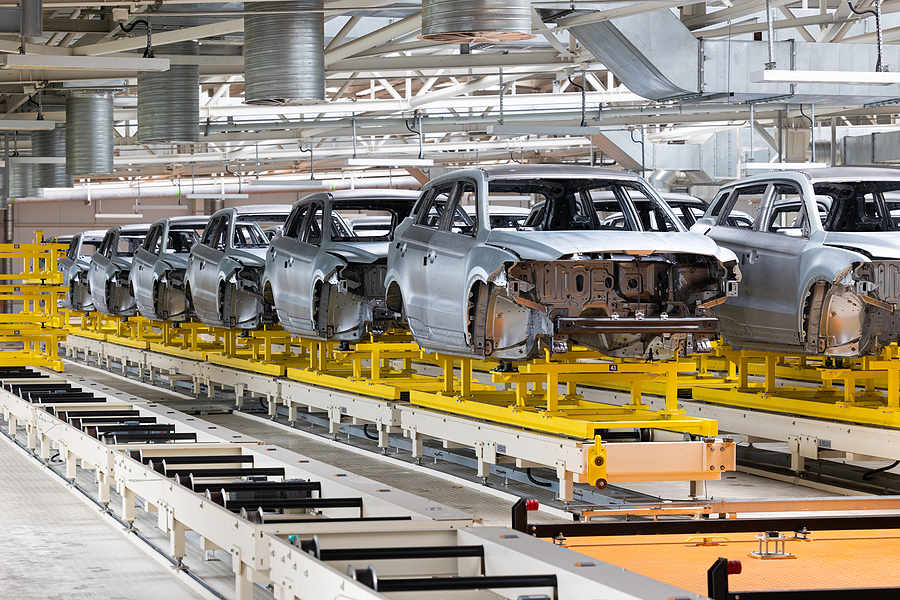
The global automotive industry is undergoing a fundamental transformation. Beyond electrification and smart technologies, material sustainability has become a central pillar of modern vehicle manufacturing. Automakers are rethinking what cars are made of—prioritizing renewable, recycled, and low-impact materials that reduce environmental harm without compromising safety or performance.
Why Sustainable Materials Matter in Automotive Manufacturing
Traditional vehicle production relies heavily on steel, plastics, and chemical-intensive components that generate significant emissions and waste. Sustainable materials help manufacturers:
- Lower carbon footprints across the supply chain
- Reduce dependence on fossil-based resources
- Improve vehicle recyclability at end-of-life
- Meet tightening environmental regulations worldwide
As consumers increasingly value environmentally responsible brands, sustainability has shifted from a niche concern to a competitive advantage.
Lightweight Metals for Efficiency and Emissions Reduction
Aluminum and Advanced Steel Alloys
Lightweight metals play a critical role in improving fuel efficiency and extending electric vehicle range. Compared to conventional steel, aluminum and high-strength steel alloys offer:
- Reduced vehicle weight
- Improved crash performance
- Lower lifecycle emissions
Modern manufacturing techniques allow these metals to be recycled repeatedly without degrading quality, making them ideal for sustainable production.
Magnesium Applications
Magnesium is one of the lightest structural metals available. It is increasingly used in:
- Steering wheels
- Seat frames
- Transmission housings
Its use reduces overall vehicle mass while maintaining structural integrity.
Recycled and Bio-Based Plastics
Recycled Plastics in Vehicle Components
Recycled plastics are now common in modern vehicles, especially in non-structural components. These materials are sourced from post-consumer waste such as bottles and packaging.
Common applications include:
- Interior trims and panels
- Wheel arch liners
- Underbody shields
Using recycled plastics helps reduce landfill waste and energy consumption during manufacturing.
Bio-Based Polymers
Bio-based plastics are derived from renewable sources like corn starch, sugarcane, or cellulose. Unlike traditional plastics, they significantly lower carbon emissions during production and are often biodegradable under controlled conditions.
Natural Fibers Replacing Synthetic Reinforcements
Plant-Based Fiber Composites
Natural fibers such as flax, hemp, and kenaf are replacing fiberglass in certain components. These fibers are lighter, renewable, and require less energy to process.
Benefits include:
- Reduced manufacturing emissions
- Improved acoustic insulation
- Safer disposal at end-of-life
They are commonly used in door panels, dashboards, and seat backs.
Sustainable Interior Materials
Eco-Friendly Upholstery Alternatives
Vehicle interiors are seeing a shift away from traditional leather and synthetic fabrics. Sustainable alternatives include:
- Recycled polyester fabrics
- Plant-based leather substitutes
- Wool and natural textile blends
These materials reduce water usage, eliminate harmful tanning chemicals, and offer comparable durability and comfort.
Low-VOC Adhesives and Coatings
Manufacturers are adopting low-volatile organic compound (VOC) adhesives, paints, and sealants to improve air quality inside vehicles and reduce harmful emissions during production.
Battery and Electronics Material Innovations
Responsible Battery Material Sourcing
With the rise of electric vehicles, sustainability efforts extend to batteries. Automakers are focusing on:
- Reducing cobalt usage
- Increasing recycled lithium and nickel content
- Designing batteries for easier disassembly and reuse
These changes improve both environmental and ethical standards across the supply chain.
Recyclable Electronic Components
Electronic modules are being redesigned to minimize rare materials and maximize recyclability, helping reduce electronic waste at vehicle end-of-life.
Circular Economy in Vehicle Manufacturing
Sustainable materials are most effective when combined with a circular manufacturing approach. This involves:
- Designing vehicles for disassembly
- Reusing materials across multiple production cycles
- Recovering components instead of discarding them
Circular practices ensure that sustainability extends beyond a vehicle’s first life.
Challenges and Future Outlook
Despite progress, challenges remain. Sustainable materials can be more expensive, require new supply chains, and demand updated manufacturing processes. However, continued innovation and economies of scale are rapidly closing these gaps.
Looking ahead, future vehicles are likely to feature:
- Higher percentages of recycled content
- Fully recyclable body structures
- Greater use of renewable raw materials
Sustainability is no longer a trend—it is becoming the standard.
Frequently Asked Questions (FAQs)
1. Are sustainable vehicle materials as durable as traditional materials?
Yes. Most sustainable materials used today meet or exceed durability and safety standards through advanced engineering and testing.
2. Do sustainable materials significantly increase vehicle costs?
Initial costs can be slightly higher, but long-term savings from efficiency, recycling, and regulatory compliance often offset them.
3. Can sustainable materials improve vehicle performance?
Lightweight materials can enhance acceleration, handling, and energy efficiency without sacrificing strength.
4. Are sustainable materials used in both electric and gasoline vehicles?
Absolutely. Sustainability initiatives apply across all vehicle types, not just electric models.
5. How recyclable are modern vehicles made with sustainable materials?
Many components are designed for high recyclability, supporting circular manufacturing and reducing waste.
6. Do eco-friendly interiors affect comfort or aesthetics?
No. Sustainable interior materials are engineered to match or exceed traditional materials in comfort, appearance, and longevity.
7. Will future vehicles be fully made from sustainable materials?
While 100% sustainability is challenging, manufacturers are steadily increasing sustainable content with each new generation of vehicles.

Comments are closed.